
The Key Role of Steel Structures in Construction and Economic Growth
Steel structures play a crucial role in modern construction, contributing to economic growth through sustainable and efficient projects. With their flexibility, durability, and high load-bearing capacity, steel structures significantly support economic development.
This article will provide a detailed analysis of the role of steel structures in the economy.
Overview of Steel Structures
Steel structures (SS) are load-bearing frameworks made from steel, widely used in the construction of high-rise buildings, industrial factories, bridges, airports, and public infrastructure.
Thanks to their durability, high load capacity, and design flexibility, steel structures help shorten construction time, optimize costs, and enhance safety. Additionally, steel is fully recyclable, supporting sustainable development and environmental protection.
Steel Structures – A Global Economic Driver
Steel Structures: The Backbone of Skyscrapers
Steel structures are integral to the development of skyscrapers due to their flexibility, high strength, and durability. Steel enables the construction of tall buildings with expansive open spaces, maximizing usable areas.
With SS, cities like New York, Dubai, and Ho Chi Minh City continue to grow with iconic buildings.
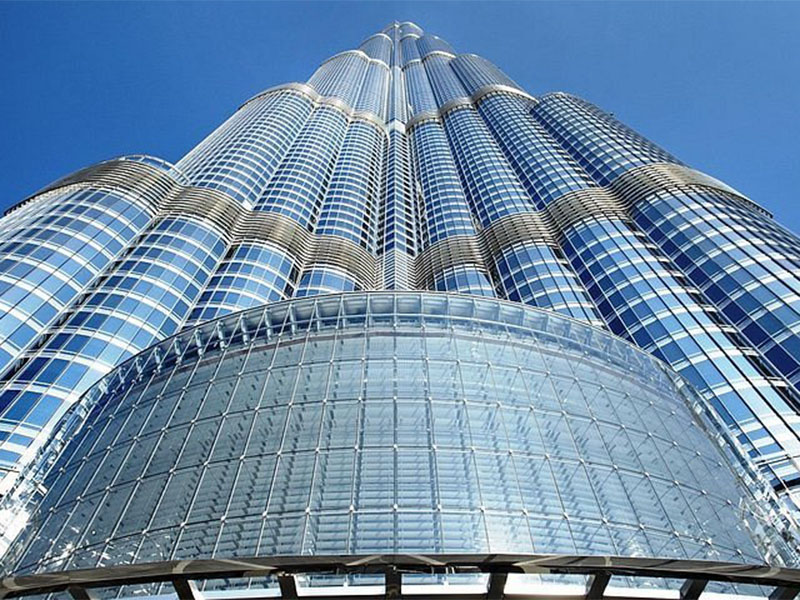
Skyscrapers using SS not only save construction time but also create modern living and working environments. Financial centers, premium offices, and high-rise residential buildings all utilize SS to provide spacious areas with optimal natural lighting and ventilation, improving urban living standards.
Boosting Manufacturing with Pre-Engineered Steel Buildings
The manufacturing and logistics industries have grown significantly due to the widespread use of pre-engineered steel buildings (PESB). Today, factories, industrial zones, and warehouses all adopt PESB for their fast construction, cost-effectiveness, and high quality.
Steel structures enable businesses to quickly commence operations, boost productivity, and contribute to economic growth.
Moreover, PESB allows for flexible production expansion. Companies can easily extend their facilities without rebuilding from scratch, thanks to modular SSSS that can be disassembled and expanded quickly.
This is particularly crucial for rapidly evolving industries such as technology, machinery manufacturing, food processing, and pharmaceuticals.

 For more details: Industrial Buildings
Steel Structures in Modern Public Infrastructure
Major infrastructure projects like airports, seaports, stadiums, and train stations utilize steel structures to ensure safety, sustainability, and operational efficiency. SS optimizes space and enhances aesthetics in key national projects.
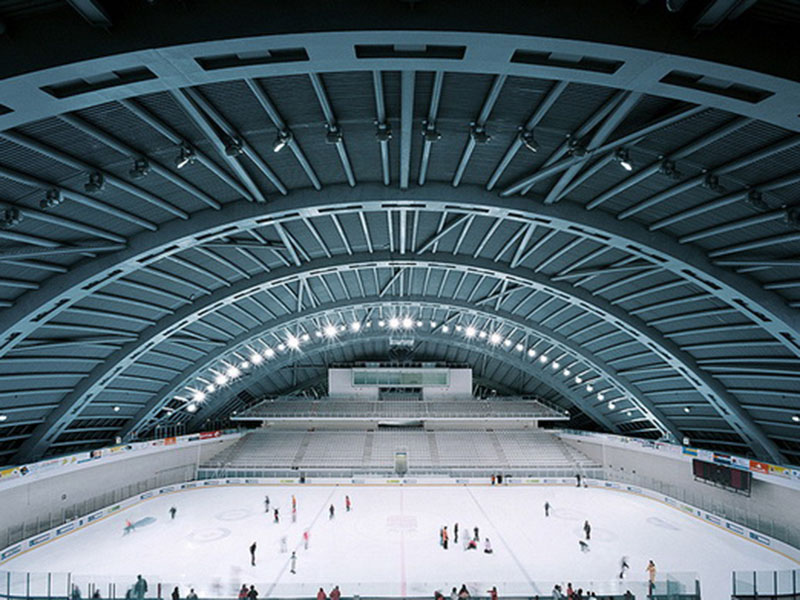
At major airports, steel structures enable the construction of large terminals with wide-span roofs and minimal columns, creating an open and convenient space for passengers. In transportation, steel bridges are extensively used to connect key economic zones, reducing travel time and boosting trade.
Additionally, stadiums and modern convention centers leverage SS for flexible spaces that accommodate large-scale sports, cultural, and commercial events. This not only promotes tourism but also contributes to economic revenue.

Steel Structures and Sustainable Development
With high recyclability, SSs play a vital role in constructing green buildings and minimizing environmental impact. Using steel in construction reduces waste and increases the use of renewable resources, supporting sustainability goals.
At the end of a building’s lifecycle, steel can be almost fully recycled without quality degradation. This reduces construction waste, conserves natural resources, and lowers carbon emissions.
Furthermore, using recycled steel helps reduce construction costs, creating advantages for businesses and investors.

Additionally, SS contributes to energy efficiency in building operations. Buildings using steel can integrate smart technologies to optimize electricity, water, and air conditioning usage, lowering long-term operational and maintenance costs.
Iconic Architectural Achievements
Many iconic architectural landmarks, such as the Eiffel Tower (France), Sydney Harbour Bridge (Australia), and Landmark 81 (Vietnam), feature steel structures. Thanks to their flexibility and strong connections, steel enables the realization of sophisticated architectural visions, enhancing a country’s international image.

These landmarks not only serve as national pride but also attract tourism, investment, and economic development. Global cities like London, Tokyo, and Singapore have leveraged SS to construct unique buildings, boosting tourism and increasing real estate value.
The Future of Steel Structures in Economic Development
Steel structures will continue to play a crucial role in the future of the global economy. Emerging technologies such as metal 3D printing, ultra-light steel materials, and smart structural systems will enhance efficiency and reduce construction costs.

Additionally, the trend of green and sustainable construction will further expand the potential of SS. Buildings using steel not only save costs and time but also contribute to environmental protection, advancing smart and sustainable urban development.
For more details: Steel Strutures in Vietnam
Conclusion
Steel structures are essential to economic development by facilitating large-scale construction projects, improving production efficiency, and supporting sustainable infrastructure. Their widespread application across various sectors highlights their importance in the future of economic growth and urbanization.
With advancements in technology and sustainability trends, steel structures will remain a strong foundation for the prosperity of the global economy.

For more details: Latest Pre-engineered Steel Construction Pricing
We hope this article has provided valuable insights. To learn more about pre-engineered steel buildings and SS, visit QSB Steel’s website. If you need design and construction consultation, feel free to contact us for expert assistance.
QSB Steel is one of Vietnam’s leading steel structure companies, meeting all these criteria. If you need professional consultation, contact us now!
📞 Hotline: (+84) 918 23 23 65
🌐 Website: QSB Steel
🤝 Partner with QSB Steel for high-quality, sustainable, and efficient steel construction projects!
- APIS FACTORY – Phrase 2
- High-Rise Steel Structures: A Modern and Sustainable Construction Solution
- United Healthcare Factory (UHC)
- Maintenance of Pre-Engineered Steel Factories – A Key Factor for Ensuring Long-Term Sustainable Production
- Pre-Engineered Garment Factory: An Optimal Solution for the Fashion Industry
- Steel Quality Management System According to ISO and EN Standards
- 10 outstanding projects implemented by QSB STEEL
- Effective Industrial Factory Insulation Solutions – Optimizing Production & Saving Energy
- Nhat Tan aromatherapy factory
- Trade Center and Con Dao Hotel
Related news:

Heavy Steel Structures: Common Applications in Modern Industrial Projects
-
What Is Steel Surface Shot Blasting? Is It Mandatory?
Essential Steel Structure Components for Industrial Buildings
Heavy Steel Components at QSB STEEL: Large-Scale Steel Fabrication Capability
ISO 45001 Occupational Health and Safety Management System in Heavy Steel Structure Construction Projects
Updated Prefabricated Steel Building Construction Price Quote 2026
-
Steel Plate Manufacturing: Common Defects and Applications

Food Processing Steel Factory Design: Ensuring Hygiene Standards and Production Efficiency