
Steel Purlins in Steel Structures: An Important Role in Pre-Engineered Steel Buildings
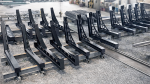
In pre-engineered steel buildings, the steel structural system is composed of many different components such as columns, rafters, bracing systems, and purlins. Among these elements, steel purlins in steel structures play an important role in connecting and supporting the roof and wall systems of the building.
Although purlins are considered secondary structural members, they directly influence the stability and load-bearing performance of the entire factory steel structure.
The article below will help you better understand the role of steel purlins in steel structures, including their structure, functions, and the most common types of purlins used in modern pre-engineered steel buildings.
1. What Are Steel Purlins in Steel Structures?
Steel purlins in steel structures are horizontal steel members installed between the main frames of a building, such as rafters or roof beams, to support the roof or wall cladding systems.
In pre-engineered steel buildings, purlins are typically installed at specific intervals and are responsible for transferring loads from the roof or walls to the main structural frame.
Purlins are commonly used in the following locations:
Roof systems of industrial factories
Wall cladding systems of buildings
Secondary framing systems that support roofs and walls
Today, purlins are usually manufactured from cold-formed steel with common cross-sections such as Z purlins, C purlins, and box purlins.
2. The Role of Steel Purlins in Steel Structures
In pre-engineered steel building systems, steel purlins in steel structures perform several essential functions that ensure the building operates safely and efficiently.
2.1 Supporting Roof and Wall Systems
The most important role of steel purlins in steel structures is to support the roof and wall cladding systems of the building.
Purlins help to:
Support roof sheets or roofing panels
Support wall cladding systems
Transfer roof loads to the main structural frame
As a result, loads from the roof, walls, and environmental factors such as wind or rain are effectively transferred to the main frame structure.
2.2 Distributing Loads to the Main Frame
Another important function of steel purlins in steel structures is distributing loads evenly to primary structural members such as rafters and columns.
The loads carried by purlins typically include:
Self-weight of the roof system
Wind loads
Rain loads
Maintenance loads on the roof
Through the purlin system, these forces are distributed evenly across the main frame, reducing concentrated stress and improving the durability of the entire structure.
2.3 Increasing Structural Stability
In addition to supporting loads, steel purlins in steel structures also enhance the stiffness and stability of the entire factory structure.
Purlins help to:
Connect the main frames together
Reduce deformation of the steel structure
Improve the overall load-bearing capacity of the roof system
This allows the building to remain stable even under harsh weather conditions such as strong winds or heavy storms.
2.4 Providing a Base for Roof Systems and Accessories
In pre-engineered steel buildings, steel purlins in steel structures also serve as a base for installing additional building systems, such as:
Roofing panels
Insulation systems
Ventilation systems
Solar energy systems
With a properly designed purlin layout, installing these systems becomes easier and more efficient.
3. Common Types of Purlins in Pre-Engineered Steel Buildings
Currently, steel purlins in steel structures are manufactured in several different types to meet the diverse requirements of industrial buildings.
3.1 Z Purlins
Z purlins are the most commonly used type of purlins in pre-engineered steel buildings.
Characteristics
Z-shaped cross-section
Lightweight
Good load-bearing performance
Advantages
Optimized material usage
Easy installation
Suitable for many types of industrial factories
Z purlins are often used for roof systems in factories with large spans.
3.2 C Purlins
C purlins are another widely used type of steel purlins in steel structures.
Characteristics
C-shaped cross-section
High stiffness
Easy manufacturing process
Applications
C purlins are commonly used for:
Small-scale factories
Warehouses
Civil construction projects


3.3 Box Purlins
Box purlins have a rectangular or square hollow cross-section.
Advantages
High load-bearing capacity
Excellent durability
Suitable for harsh environments
However, box purlins are generally more expensive than Z and C purlins.
4. Factors to Consider When Choosing Purlins
To ensure the efficiency of steel purlins in steel structures, selecting the right type of purlin is very important.
Some factors that should be considered include:
Building span
Roof and wall loads
Environmental conditions
Distance between main frames
Investment budget
In addition, purlin design must comply with structural steel design standards to ensure the safety and longevity of the building.
Conclusion
It can be seen that steel purlins in steel structures are an essential component of pre-engineered steel building systems. Although they are not primary structural members like columns or rafters, purlins play a critical role in supporting the roof, distributing loads, and improving the stability of the entire building.
Selecting the right type of purlin, combined with proper design and correct installation, will help ensure structural durability, safety, and cost efficiency. This is also an important factor in improving the overall performance and long-term effectiveness of modern industrial factory buildings.
 Hotline for Export Steel Structure Quotation: Click here

Learn more: Latest Cost Estimates for Pre-Engineered Buildings
Contact Us
Are you looking for a high-quality, durable, and cost-optimized pre-engineered steel building solution?
QSB Steel is proud to be a professional contractor specializing in the design, fabrication, and installation of pre-engineered steel buildings in accordance with international standards—ensuring safety, on-time delivery, and optimal investment efficiency.
📞 Hotline: (+84) 918 23 23 65
📧 Email: mkt@qsbsteel.com
🌐 Website: https://qsbsteel.com/
Contact QSB Steel today for detailed consultation and the most suitable solution for your project! 🚀
- Important Considerations in Pre-engineered Steel Building Design
- OLAM Spices Factory
- Duy Tan Plastic Warehouse
- Exporting Steel Components to the U.S. – Key Considerations for Vietnamese Businesses
- Public Steel Structures – Role and Applications in Infrastructure Construction
- Standard Process of Pre-Engineered Steel Building Construction | Full Steps from A–Z
- Steel Structure Contractor – Key Considerations When Choosing a Reliable Builder
- The Key Role of Steel Structures in Construction and Economic Growth
- Vietnam National University Ho Chi Minh City
- Essential Steel Structure Components for Industrial Buildings
Related news:

Heavy Steel Structures: Common Applications in Modern Industrial Projects
-
What Is Steel Surface Shot Blasting? Is It Mandatory?
Essential Steel Structure Components for Industrial Buildings
Heavy Steel Components at QSB STEEL: Large-Scale Steel Fabrication Capability
ISO 45001 Occupational Health and Safety Management System in Heavy Steel Structure Construction Projects
Updated Prefabricated Steel Building Construction Price Quote 2026
-
Steel Plate Manufacturing: Common Defects and Applications

Food Processing Steel Factory Design: Ensuring Hygiene Standards and Production Efficiency